

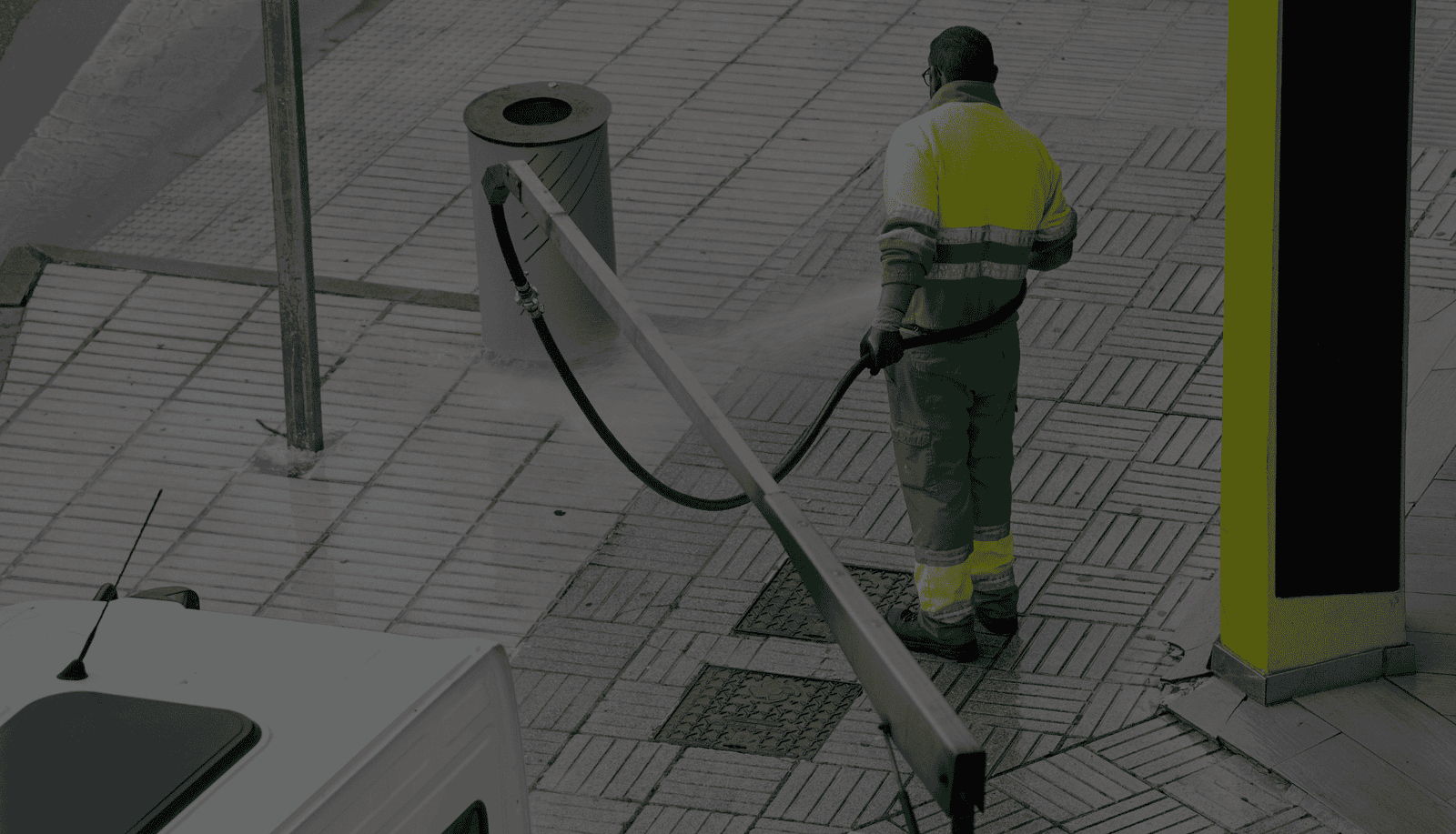
08 May WHAT GOOD LOOKS LIKE: HOW TO MEASURE CLEANING PERFORMANCE PROPERLY
WHAT GOOD LOOKS LIKE: HOW TO MEASURE CLEANING PERFORMANCE PROPERLY
INSIGHTS
Why most cleaning contracts fail to define performance – and how leading organisations measure it.
Introduction
Most organisations believe they have a clear understanding of cleaning performance.
In reality, what they have is perception – not measurement.
- “The site looks fine”
- “We only hear complaints occasionally”
- “The provider seems responsive”
These are not performance indicators.
In a sector governed by WHS obligations and increasing compliance requirements, cleaning performance must be:
- Defined
- Measured
- Reported
- Improved
Without this, consistency is impossible – regardless of the provider.
The Problem: No Clear Definition of “Good”
One of the most common issues across cleaning contracts is the absence of a clearly defined performance standard.
Without this:
- Every stakeholder has a different expectation
- Cleaners interpret tasks differently
- Providers default to minimum acceptable delivery
What happens:
- Standards drift over time
- Issues become subjective
- Clients manage by complaint, not by data
If “good” isn’t clearly defined – it cannot be delivered consistently.
What High-Performing Organisations Do Differently
Organisations that maintain consistent standards don’t rely on perception.
They implement structured performance frameworks.
This typically includes:
- Defined KPIs
- Inspection systems
- Service level agreements (SLAs)
- Regular reporting
These elements create clarity, accountability, and control.
1. KPI-Driven Performance Measurement
Key Performance Indicators (KPIs) turn cleaning from a task into a measurable service.
Common industry-aligned KPIs include:
- 98%+ Task Completion Rate
- 95%+ Inspection Score
- <4 Hour Response Time (Urgent Requests)
- <24 Hour Issue Resolution
These benchmarks align with expectations across commercial, healthcare, and government environments, where service consistency is critical.
Why this matters:
- Removes ambiguity
- Sets clear expectations
- Creates accountability across all levels
2. Structured Inspection and Audit Systems
Visual inspections are not enough – they must be structured and scored.
High-performing providers implement:
- Digital inspection checklists
- Weighted scoring systems (by area and priority)
- Scheduled audit frequencies (daily, weekly, monthly)
For example:
- High-risk areas (bathrooms, kitchens, clinical zones) carry higher weighting
- Low-risk areas are reviewed periodically
Why this matters:
- Creates objective measurement
- Identifies trends early
- Provides documented evidence for compliance
3. Service Level Agreements (SLAs)
SLAs define how quickly and effectively issues are addressed.
Typical SLA structures include:
- Urgent Issues: <4 hours response
- Standard Requests: Same-day or next-day response
- Rectification: Within 24 hours
Under Australian WHS expectations, hazards such as spills or unsafe conditions must be addressed promptly to minimise risk.
Why this matters:
- Ensures responsiveness is measurable
- Reduces operational risk
- Aligns service delivery with compliance obligations
4. Transparent Reporting and Visibility
If performance isn’t visible, it isn’t being managed.
Leading organisations require:
- Monthly performance reports
- KPI dashboards
- Audit summaries
- Issue tracking logs
This aligns with WHS requirements to:
- Maintain records
- Demonstrate due diligence
- Provide evidence of safe systems of work
Why this matters:
- Builds trust and transparency
- Enables informed decision-making
- Supports compliance and audit readiness
5. Proactive Issue Management
The goal is not just to fix problems – it’s to prevent them.
A structured system includes:
- Non-conformance reporting
- Root cause analysis
- Corrective action tracking
- Continuous improvement processes
Why this matters:
- Prevents repeat issues
- Improves long-term performance
- Reduces operational disruption
Sector Considerations: What “Good” Looks Like Varies
Performance standards differ depending on the environment.
Healthcare & Aged Care
- Strict infection control requirements
- High-frequency cleaning of high-touch surfaces
- Zero tolerance for contamination risks
Performance is measured against clinical-grade standards, not general presentation.
Commercial Offices
- Focus on hygiene, presentation, and employee experience
- Cleaning impacts absenteeism and productivity
Performance must balance visibility and operational efficiency.
Transport & Logistics
- Large, high-traffic environments
- Safety risks (spills, debris, access areas)
Performance must align with WHS safety requirements and operational flow.
Industrial & Manufacturing
- Hazard control (dust, waste, spills)
- Equipment and operational safety
Performance is directly linked to workplace safety compliance.
What This Means for Businesses
If your cleaning performance is not:
- Measured
- Reported
- Benchmarked
Then it is not being actively managed.
And if it’s not being managed – it will decline over time.
The Aspen Approach
At Aspen, performance is not assumed – it is engineered into the service model.
Our approach includes:
- KPI-driven frameworks aligned to site requirements
- Structured inspection and audit systems
- Defined SLAs and response protocols
- Transparent reporting and dashboards
- Continuous improvement processes
This ensures:
- Consistency across all sites
- Clear visibility into performance
- Alignment with compliance and operational standards
Closing
Cleaning performance should never be subjective.
It should be:
- Defined
- Measured
- Visible
- Accountable
Because what gets measured – gets maintained.
Want to see how your current cleaning performance measures up?
Request a site walkthrough and receive a structured, KPI-based assessment of your service delivery.